Skip to content
GSHAKTI

A little spice.
A thoughtful way to eat well.

Small additions. Better everyday meals.

Spices help make vegetables, pulses and other nourishing foods appealing. Swapping some added salt for herbs and spices is a practical way to support heart-healthy eating. Read the NIH guide →

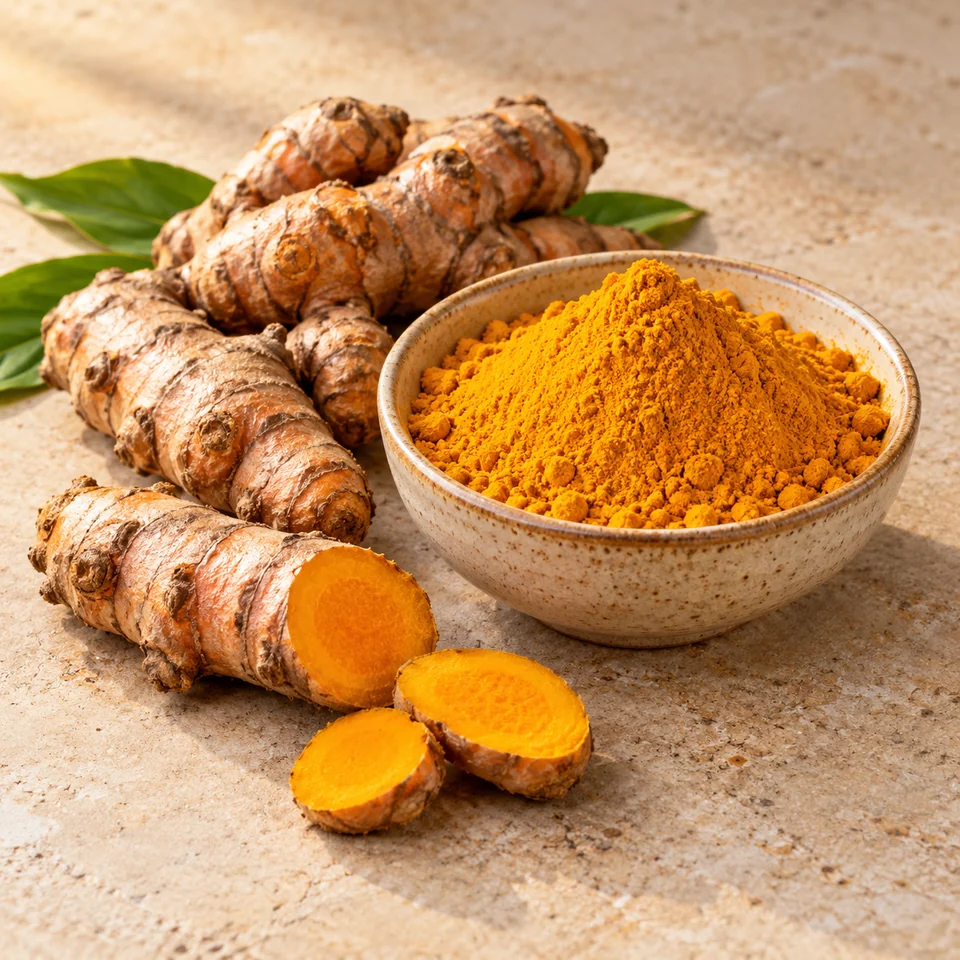
Fresh turmeric roots and sliced turmeric beside a bowl of golden turmeric powder01

Haldi · Curcumin research

Turmeric

Golden colour. Everyday warmth.

How it fits into healthy eating

Turmeric contains curcumin, a compound being studied for its effects on inflammation. Early studies of turmeric or curcumin products suggest possible improvements in knee osteoarthritis symptoms, but stronger evidence is needed.

Research on concentrated products does not prove that a pinch in food treats joint pain or other health conditions.

In your kitchen

Stir into dal, vegetable curries or rice for earthy flavour and golden colour.
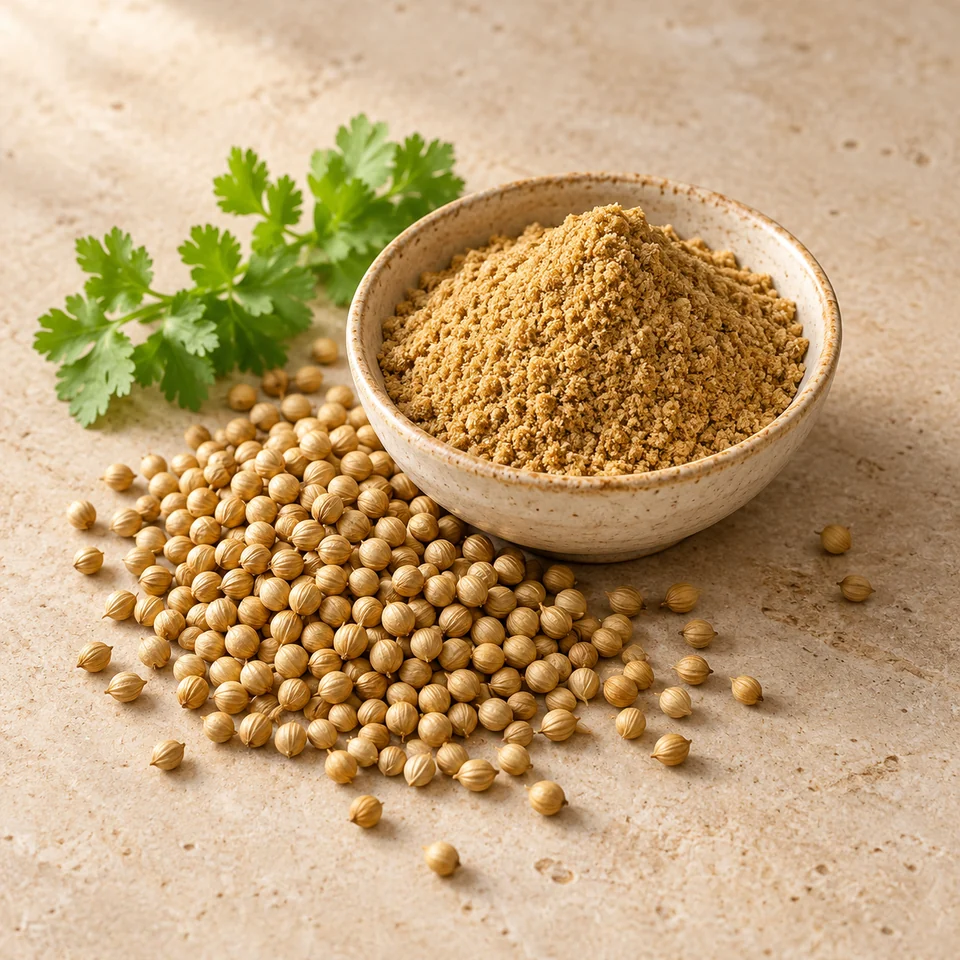
Whole coriander seeds and ground coriander powder with a fresh coriander sprig02

Dhaniya · Flavour with less salt

Coriander

Gentle flavour. A balanced plate.

How it fits into healthy eating

Coriander brings flavour to vegetables and pulses, making these foods more enjoyable. Using spices in place of some added salt can support a lower-sodium eating pattern, which benefits heart health.

Coriander in a recipe is not an established treatment for blood sugar or cholesterol problems. Its practical benefit is helping you build flavour in balanced meals.

In your kitchen

Add ground coriander to sabzi, chana or dal, then taste before adding more salt.

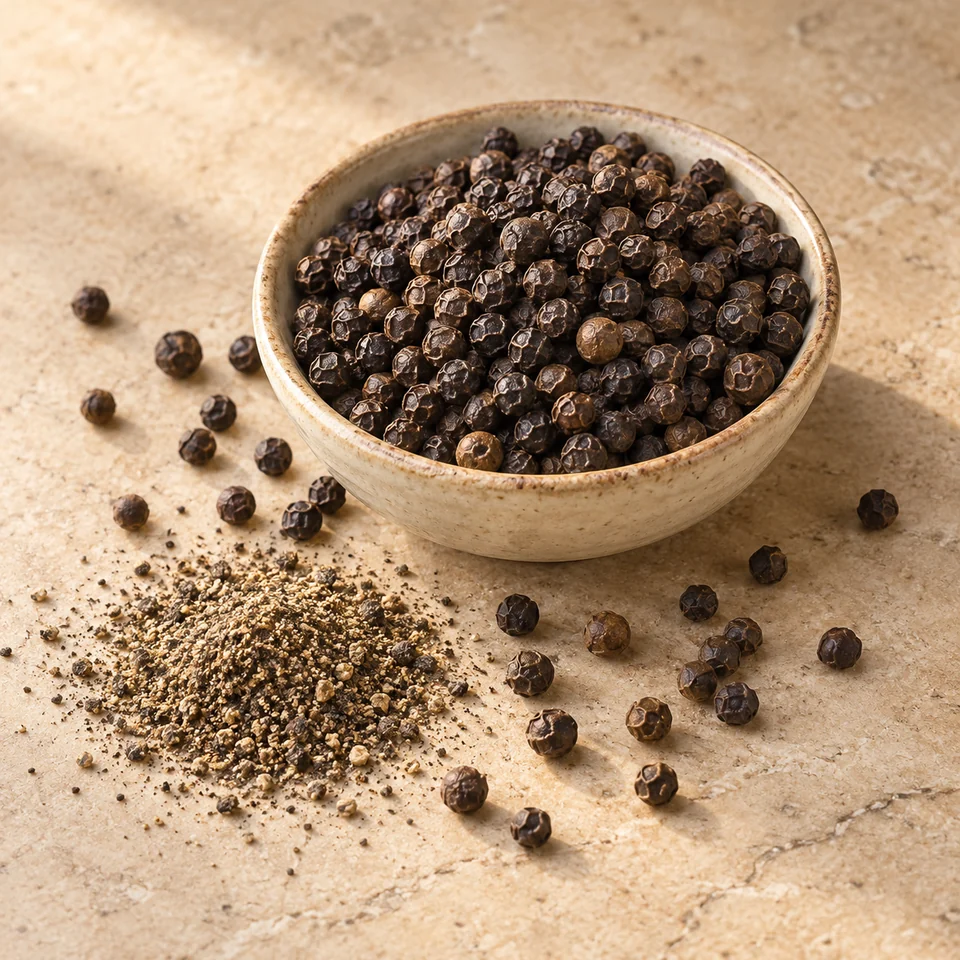
Whole black peppercorns in a ceramic bowl with freshly ground black pepper03

Kali mirch · Piperine research

Black pepper

A little kick. An interesting compound.

How it fits into healthy eating

Black pepper contains piperine. A human study found that isolated piperine increased the absorption of curcumin at the doses tested. This is one reason the two compounds are studied together.

That finding does not establish a health benefit from ordinary pepper sprinkled on food. Better absorption alone does not mean better health.

In your kitchen

Finish soups, roasted vegetables or dal with a small pinch for a warm, peppery lift.

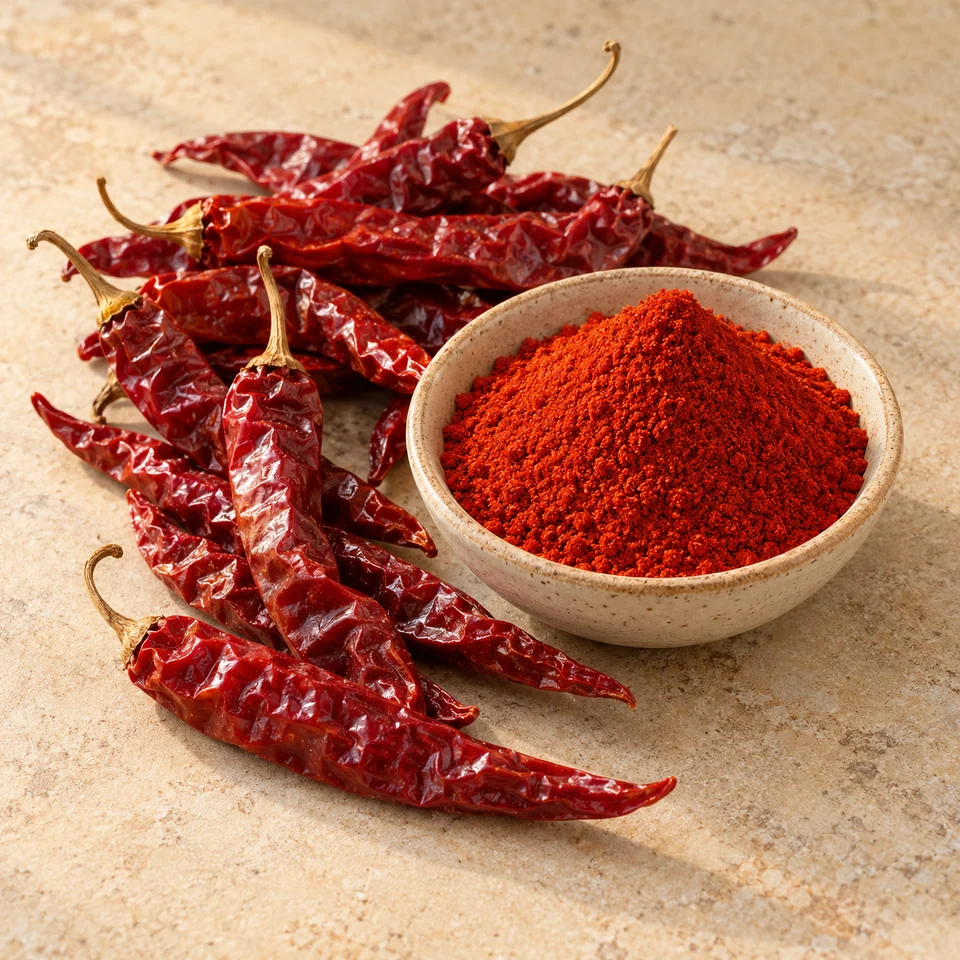
Dried whole red chillies beside a bowl of red chilli powder04

Lal mirch · Capsaicin research

Red chilli

Vibrant heat. Use your own balance.

How it fits into healthy eating

Capsaicin gives hot chillies their heat. It is studied for effects on pain and metabolism; evidence for pain relief mainly concerns capsaicin applied to the skin, rather than chilli eaten in meals.

Eating red chilli is not a proven pain treatment or weight-loss method. Use less if spicy foods trigger heartburn or discomfort.

In your kitchen

Start with a small amount in beans, curries or soups and adjust to your comfort.

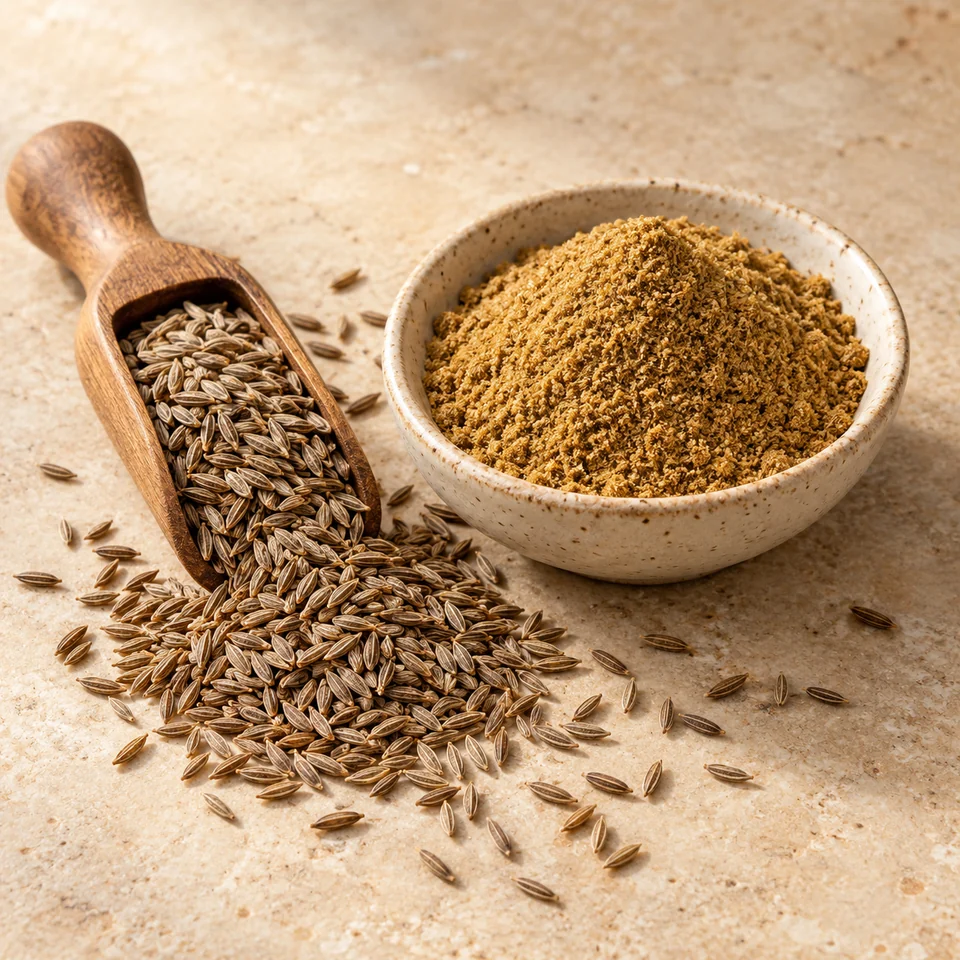
Whole cumin seeds in a wooden scoop beside a bowl of ground cumin05

Jeera · Early human research

Cumin

Earthy aroma. More flavour in every spoon.

How it fits into healthy eating

A small trial in women with overweight or obesity found improvements in some cholesterol and body-composition measures when cumin powder was added alongside weight-loss nutrition counselling.

One trial does not establish cumin as a weight-loss treatment. Everyday portions may differ from study amounts; your overall eating pattern matters more.

In your kitchen

Stir cumin powder into dal, chickpeas or a vegetable curry for a warm, earthy flavour.

GOOD FOOD, EVERY DAY

Let flavour be part
of your healthy habits.

Enjoy spices in normal cooking amounts as part of a varied diet. They complement your meals; they do not replace medical care. Research about an ingredient does not establish a health effect for a particular LagMa product.

Concentrated spice supplements differ from food. Check with your healthcare professional before taking them, especially if you take medicines.

Explore our spices

Explore GSHAKTI

Har Rasoi Ki Pehli Pasand